

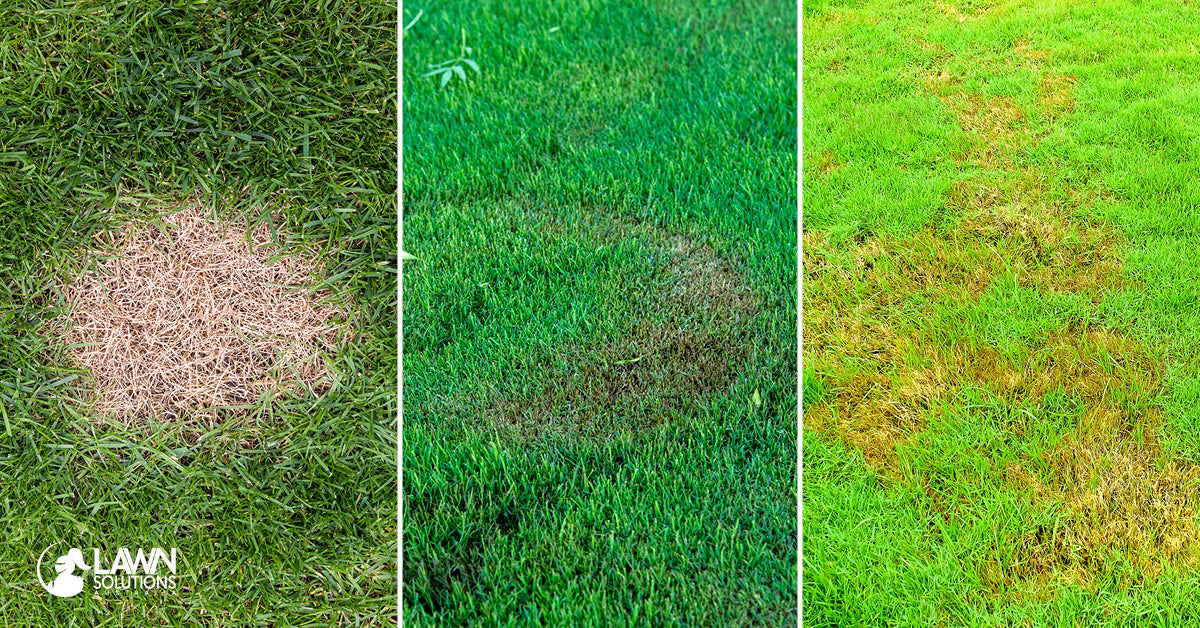
We wish every lawn was perfect year-round, and that you never had to encounter turf troubles in Brisbane. Alas, turf is a living, breathing organism that doesn’t always cooperate.
At GoTurf, we grow only the best: proudly part of the Lawn Solutions Australia group, we grow AUS-GAP-certified, tried-and-tested turf perfect for South East Queensland conditions. But once it leaves our farm and it’s in your hands, proper care is what will keep it thriving.
Here are the seven mistakes we see most often, along with how to avoid them.
1. The Great Grass Mismatch

Even the best care won’t save a turf variety that doesn’t suit your yard. Sunlight, shade, pets, foot traffic, and the local climate all matter. Avoid heartbreak and take our free turf quiz or chat with our team to match your yard and lifestyle with the right turf. For a deeper look, check out our blog: Which Turf Variety is Right for My Yard? The Ultimate SE Queensland Guide.
2. The Lawn Scalpers

Ouch! Scalping happens when you mow too short, removing too much leaf at once. In its wake, it leaves brown patches and weakens your grass. Here are the common culprits of scalping your lawn:
-
Letting the lawn grow too long between mows
-
Uneven ground levels
-
A thick layer of thatch
In most cases, you can fix it by adjusting your grass height. Lower your mower slightly below your usual height for one mow, then raise it back to your normal height for the next mow. Now, if your lawn has thatch, you may need to bring the mower down a few more notches to reach the thatch layer. Got buffalo turf? When lowering the mowing height on Buffalo, make sure you don't mow too low and cut into the runner. Keep watering through the recovery period, and it should be fine in no time.
3. The Early Bird Gets The Turf

Watering is essential, but both timing and amount matter. Too little water can stress your lawn and cause a range of issues, but overwatering can be just as damaging. The rule of thumb: water deeply but less frequently, ideally early in the morning, so the roots soak up the moisture before the heat of the day. Avoid afternoons and nights; it’s like hanging your washing out at night: damp, slow to dry, and inviting trouble. Of course, adjust the watering schedule based on your lawn’s needs and the local weather forecast.
4. The Over-Fertilisers

When it comes to fertiliser, more isn't always better.
Too much will cause rapid leaf growth that reaches the blade but not the roots. This means your leaves are supported, but the roots aren't, and you'll be left with a thirsty, nutrient-deprived lawn.
Signs you might have over-fertilised your lawn:
-
There’s a fertiliser burn on the grass leaf
-
Browning of leaf tips and yellowing of lower leaves
-
Darkened and weakened roots
-
Salt-like crust of fertiliser on the soil surface
It's all about the right product and the right amount. When in doubt, reach out to our team. We’re here to help. We also have a detailed guide on fertilising the right way, "Australian Lawn Fertiliser Guide: All Your Questions Answered."
5. The Compacted Conundrum

High traffic from pets or people can compact the soil, limiting root growth and reducing lawn resilience. An easy fix is aerating your lawn. If your lawn is in a high-traffic area, aerating once or twice a year will make a world of difference. It allows air, water, and nutrients to penetrate the roots, keeping your lawn thick and healthy. We’ve even got Aerator sandals if you need a pair.
6. The Seasonal Surprises

Now, you can't go treating your lawn the same year-round and expect the best results. Here's your cheatsheet for seasonal lawn care.
-
Autumn: Feed, eradicate weeds, and boost roots before winter rolls in.
-
Winter: Water it a bit less, but do keep weeds in check and maintain your soil health.
-
Spring: Prepare for growth, aerate if it's compacted, always fertilise, and manage pests.
-
Summer: Keep up with watering, mowing, and protective treatments to survive heat, pests, and drought stress.
Seasonal awareness keeps your lawn healthy all year without overworking yourself.
7. The Zero-Maintenance Myth

When we say low maintenance, we don't mean no maintenance. Every lawn needs care, that's watering, feeding, and the occasional mowing. The frequency varies by turf type, but maintenance is necessary to some extent. When in doubt, call our team; we're always here to guide you on your turf care plan.
Your Dream Lawn Starts Here
Maintaining the perfect lawn doesn’t have to be daunting or a pipe dream.
If you can avoid these common pitfalls, have a good plan in place with the right products and a bit of effort, anyone can have a lush and healthy lawn that’s the envy of their Brissy neighbourhood. Premium turf, professional advice, and support are all just a phone call or a visit away.
Head to GoTurf.com.au or see us at GoTurf Brendale for expert help, products, and premium turf ready to transform your backyard.
Lawn Care FAQ
1) Do I need to prepare the soil before laying turf?
Yes, good prep is crucial for your grass health. Regardless of whether you opt for DIY or our preparation services, we recommend everyone spray the area with herbicide and pesticide at least twice within two weeks before preparation and installation of your turf. Please contact our team for tailored advice on application rates and methods before spraying.
For those DIYing their preparation, we have a comprehensive blog article on ‘How to prepare your yard for your grass’.
2) How much does professional site preparation cost?
It varies based on access, terrain, and area size. Each job requires a separate quote, with a minimum of $1,800. You can submit a quote request online or give our team a call for a free, no-obligation quote tailored to your specific site.
3) What ongoing care does my turf need?
Your lawn needs regular watering, fertilising, and mowing. The amount of which will vary depending on your specific yard and turf variety. Our team is always happy to guide you through any turf care questions.
Where to Buy Lawn Products in Brisbane: Your Complete Guide
How to Have the Greenest Lawn in Brisbane in 2026